
DEERFIELD, ILLINOIS · LAKE COUNTY
Second-Story Additions and New Homes in Deerfield.
Most of Deerfield was built after 1950 · ranches and houses from the 1960s and 70s. So the question here is usually whether to add on or rebuild. We build both, from Lake Forest.
THE HOUSES
Mid-Century, Mostly.
Little of Deerfield predates the 1950s. Its neighborhoods are mostly ranches and houses from the 1960s and 70s, with larger homes from the 1980s on · and a steady rate of smaller houses being replaced with larger ones.
- 1950s and 60s ranches, many still single-story
- 1970s two-story houses
- Larger homes from the 1980s on
- New houses on lots where a smaller one came down
WHO REVIEWS IT
Fewer Reviews, Same Decisions.
Deerfield's Appearance Review Commission reviews commercial exteriors. A house goes through a building permit, engineering review where the work needs it, and the village's tree ordinance · so how it looks is largely decided by you and your architect, within zoning.
- Building permits through Community Development's Building & Code Enforcement Division
- Engineering review where the work requires it, through the Engineering Department
- A tree removal permit for any protected tree
- Zoning sets the envelope: setbacks, height and lot coverage
Less review doesn't mean fewer decisions. It means more of them are yours.
Rules change. Checked against the Village of Deerfield's published ordinances, October 2026. Village of Deerfield · Community Development (opens in a new tab)
THE GROUND
Trees and Water.
Deerfield protects its larger trees and has studied where its water collects.
- Trees above a set size are protected, and the largest oaks and sugar maples are heritage trees
- A protected tree that's removed is replaced, at a ratio set by the ordinance
- The village has studied its known drainage problem areas in a stormwater master plan, and a larger house means more water to manage
- A second story adds space without adding footprint or new runoff
On a mature lot, the trees often decide between up and out before the budget does.
WHAT WE BUILD HERE
What We Build in Deerfield.
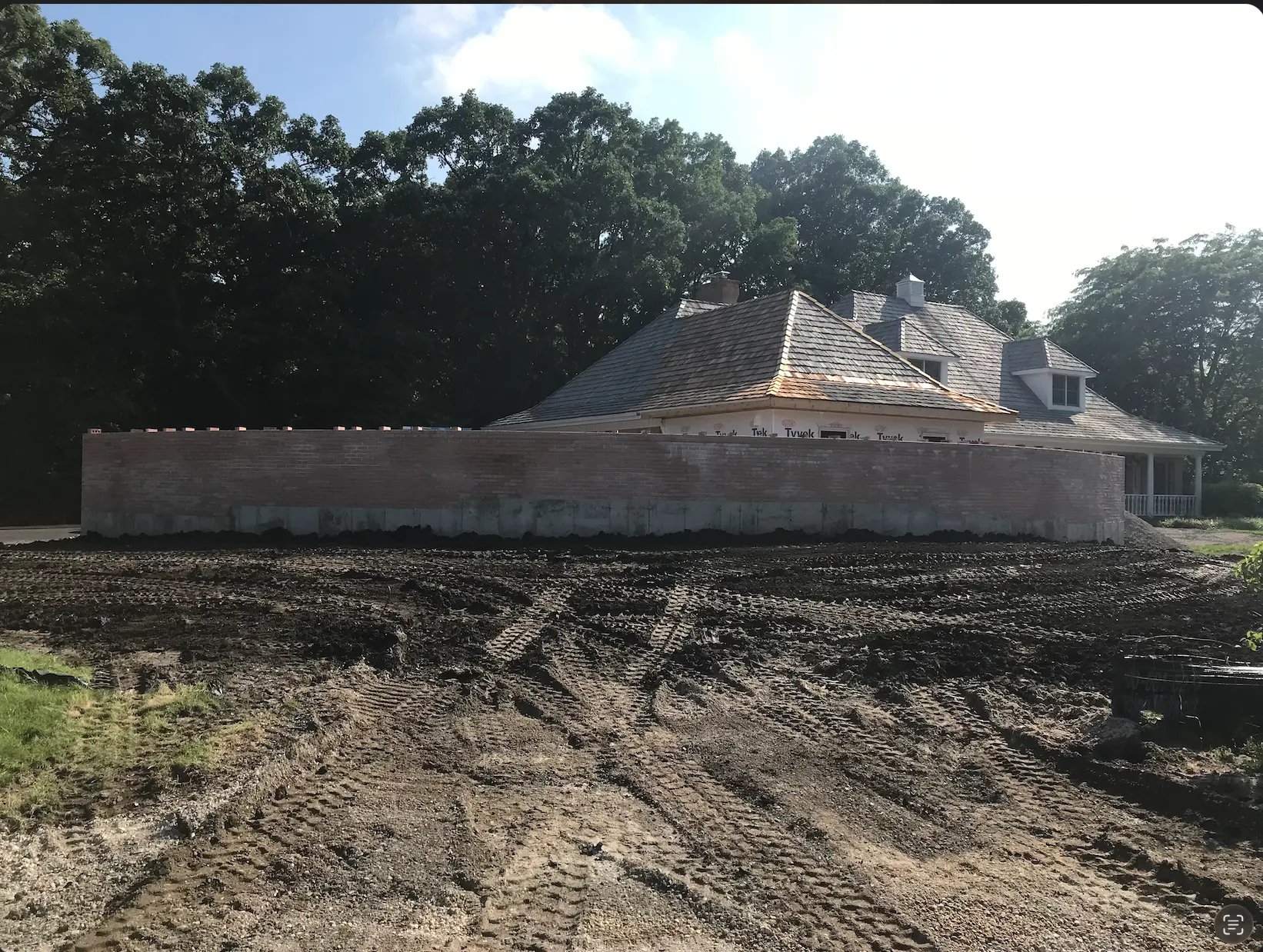
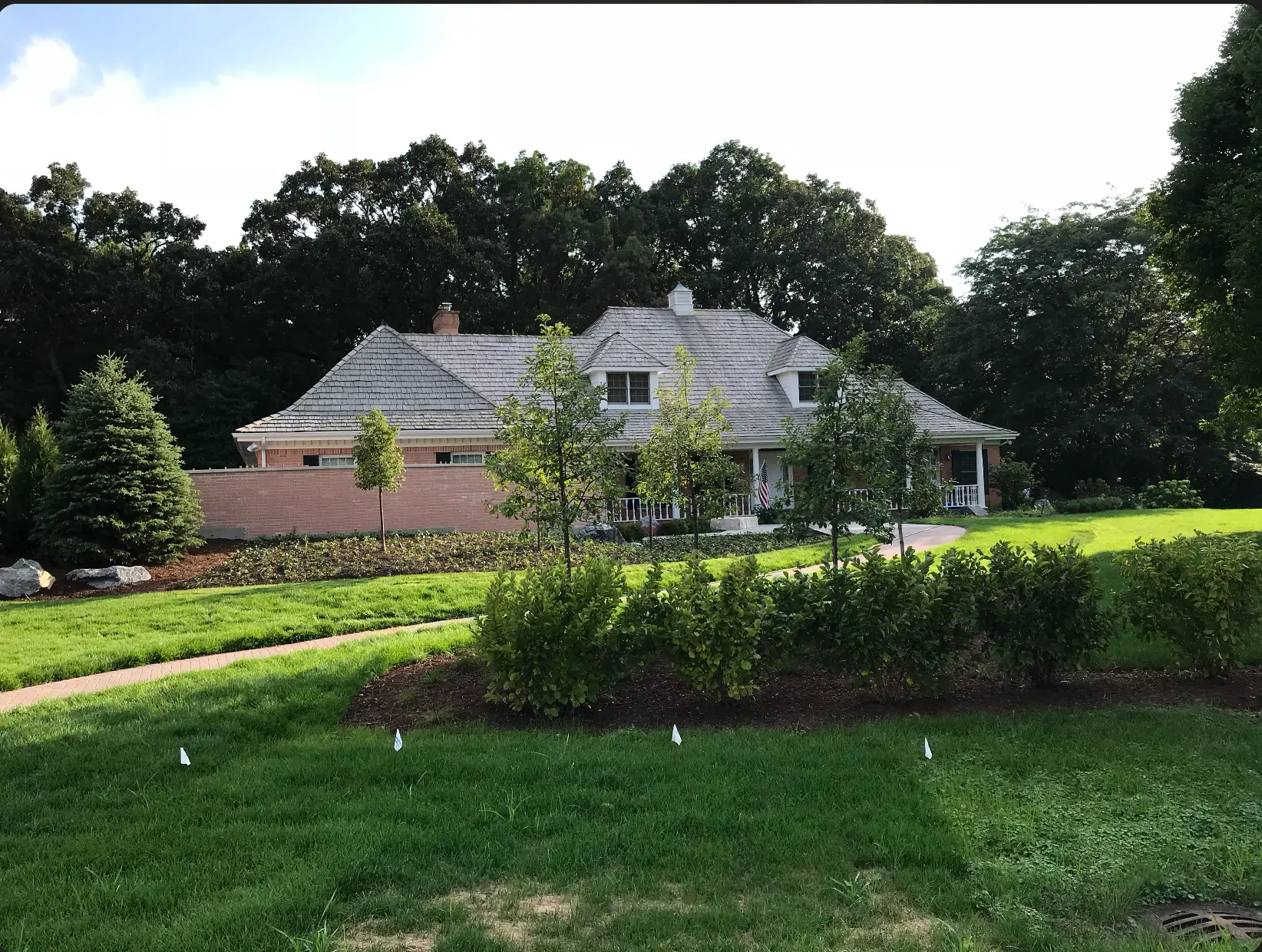
- Home Additions. Second stories on mid-century ranches: the structure checked first, then the house built up instead of out.
- Whole-Home Renovations. Mid-century houses taken back to structure and rebuilt for the way people live now.
- Kitchen & Bath Remodeling. Opening the closed kitchens of the 1960s and 70s into the house around them.
- Modern Home Construction. Ground-up houses where rebuilding makes more sense than adding on.
- Design-Build with Your Architect. Here the architect's drawings carry most of the design decisions. We build to them.
COMMON QUESTIONS
Questions About Building in Deerfield.
Should we add a second story, or tear down and rebuild?
It depends on what the existing house can carry and how much of it you'd keep. A second story keeps the foundation, the footprint and often the street's scale; a rebuild starts clean, but starts over. We'll walk the house with you and your architect and tell you plainly which one the structure supports.
Does Deerfield review the design of a new house?
Deerfield's Appearance Review Commission reviews commercial exteriors. A new house goes through a building permit, engineering review where it's required and the tree ordinance, and it has to fit the zoning. For anything unusual about your lot, the village's Community Development department is the place to confirm.
Can we remove trees to make room for an addition?
Sometimes, with a permit. Deerfield protects trees above a set size, treats its largest oaks and sugar maples as heritage trees, and requires replacement for protected trees that come out. Siting the addition around the trees is often cheaper than replacing them.
Will an addition affect drainage?
It can. More footprint and paving means more water leaving the lot, and Deerfield has known drainage problem areas. Engineering review looks at grading and drainage before the permit. Building up instead of out is one way to avoid adding to it.
08 / 08
Add On, or Start Over?
Send the address and what you need the house to do. We'll tell you which of the two the structure supports.